
How to Get Investor-Ready: Lessons from Zap at The Lighthouse
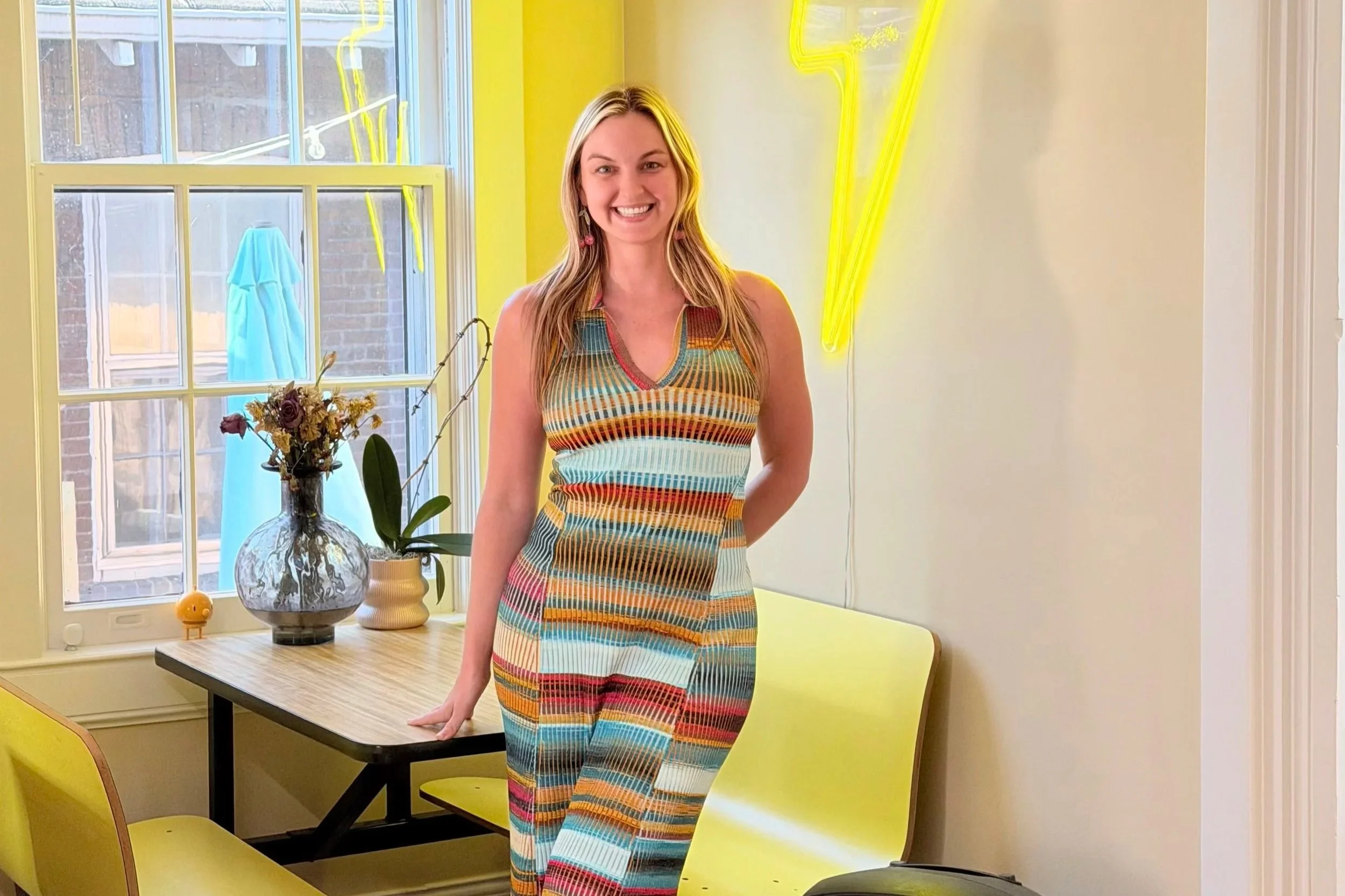
Written by Maddie McMurry
Photos credit Haley Zapolski
If you've ever had an investable business idea but weren't sure where to start, or thought venture capital was for insiders only, Zap, founder of The Lighthouse in Nashville, had some helpful advice for you.
The Lighthouse is unique: part accelerator, part investment fund, part support network.
The Lighthouse is a community of venture-backed founders, bringing them together so they can build side by side with one another. The Lighthouse invests $5,000 scout checks (a small, early-stage investment) into early-stage companies, helps them raise their first venture round, and runs an SPV (stands for Special Purpose Vehicle) to follow. More importantly, Zap built all of this from the ground up. No traditional VC (venture capital) background, no Ivy League pedigree, just her passion for founders and a willingness to learn while sharing the journey with others.
We sat down with Zap to ask her what she wants every first-time founder to know and how to know if you’re “seed ready.”
First, Understand What Pre-Seed Actually Means
Before you walk into any investor meeting, you need to understand the stage you're in, and how risky it really is.
Zap explained it simply: "I find companies that are very early. Oftentimes, they are pre-revenue, and sometimes they are pre-product. I'm ultimately diligencing the person. Do I believe that this person and their idea could be exceptionally successful?"
At the pre-seed stage, nine out of ten investments go to zero. This is not a negative take, it’s just how it works out. "The bet I make as a pre-seed investor is that one of those can go to 100x, and that 100x pays for my nine losers, and then some,” Zap said.
If you're pitching at this stage, you're asking someone to make that bet on you. This means the product matters less than you think, and the person matters much more.
Know What "Seed Ready" Really Looks Like
There's a big difference between pre-seed and seed, and most founders don't know where they fall. At seed, institutional investors (professional fund managers, not friends and family) are looking for real traction in your business. Zap is clear about how high the bar is.
"Most companies, it's darn near impossible to raise money at seed stage before about half a million in annual recurring revenue, and that half a million probably needs to be reached in under two years to qualify for venture."
If you're growing steadily but not explosively, that's not a failure, it just means venture capital probably isn't the right fit.
"If you're growing incrementally, you're a much better fit for bank loans or lending."
Venture capital is not risk capital. Investors at every stage are trying to reduce their risk. And what’s the best way to de-risk yourself? Show revenue.


The Biggest Green Flag? Just Start.
When Zap is talking to a founder for the first time, she's not just evaluating the pitch deck, but she's watching for signs of momentum.
"Just people doing it. It kind of kills me how many people come and tell me, 'I have this idea,' or they put a pitch deck together,” she said. “What are the things you have in motion?"
Her indicator is simple: if you need to ask someone how to get started, that's a bad sign.
"If you have to come to me and ask how to get started on your business, you're probably not going to be someone who builds a business. None of my founders have ever asked that question. They just started."
Her biggest advice is different than you may think. It isn’t to go get a business licence or your LLC. It is just to begin by finding your customers, your people who will support you and your product or business.
"Once you have a customer that says, 'I'm going to give you money' and is waving money around — then you can go do all that other stuff."
Before Zap cares about your product at all, she wants to understand two things: why you're doing this and what you actually want. She even meets the founder's spouse before investing because building a venture-backed company is a family commitment. It takes so much hard work and a massive investment of time and energy.
"The family is signing up for this with me."
Not every business is really worth investing in. Zap explained that your profit margins have to be pretty large for someone to invest in your business, which makes tech companies highly successful, and CPG (consumer packaged goods) or brick and mortar shops are rarely venture-investable.
How to Prepare for Your First Investor Meeting
So you’re ready for your first meeting with an investor, now what?
Zap has one primary piece of advice before anything else: "Go make friends with five other founders who have raised money from VCs. It blows my mind how many founders go into those meetings just blind, with no idea what they're doing."
The best preparation isn't reading books about venture capital or polishing the pitch deck. It's talking to people who have already done it and asking them: What do I do? Am I actually ready?
After that? Watch pitch resources, connect with local organizations like theCO, and come prepared to talk about what you're already doing (and maybe schedule a Founder Fit Check with us), not just what you're planning to do. Zap’s other piece of advice was to watch this video explaining How to Perfectly Pitch Your Seed Ready Startup.
Zap described what early-stage investing actually feels like from her side of the table, and she says it’s like having ugly babies.
"If you've ever had a friend whose baby is ugly, no one ever says it. But sometimes being a pre-seed investor feels like I have an ugly baby and no one thinks my baby is cute yet — but I believe my baby's gonna grow up one day and be beautiful."
The best businesses looked rough before they looked remarkable. The question isn't whether you're polished. It's whether you're doing the work to grow into something great.
So if you want a pre-seed checklist, here’s your step by step guide to getting prepared:
Understand you're asking someone to bet on you, not just your idea.
Start before you're ready. Investors want to see things in motion.
Close a customer first. Everything else comes after that.
Be honest about what you actually want. This life is not for everyone.
Choose a business model with real margins if you want to raise venture.
Talk to 5 founders who've already raised before you walk into any meeting.
Explore whether equity investment is the right next step for your business with a Founder Fit Check here at theCO.
Watch this helpful video before going to pitch.